Author: uche

  • List of Polytechnics Offering Cyber Security in Nigeria

    List of Polytechnics Offering Cyber Security in Nigeria

    Are you looking for a complete list of polytechnics in Nigeria offering cyber security programs?

    As cybercrime continues to increase, the demand for skilled cyber security professionals is higher than ever. With Nigeria becoming more digital, protecting information and systems from online attacks has become essential.

    Many polytechnics across the country now offer cyber security courses to train students for careers in this growing field.

    This guide will walk you through the polytechnics offering cyber security programs, what students learn, and career opportunities.

    Understanding Cyber Security

    Cyber security involves protecting computers, networks, software, and data from unauthorized access, attacks, or damage. In simple terms, it is about keeping digital systems safe from hackers and other online threats.

    Professionals in this field prevent data theft, protect networks, secure systems, and respond to cyber incidents.

    Why Choose a Nigerian Polytechnic for Cyber Security?

    Studying cyber security in a polytechnic offers several advantages:

    • Hands-on training: Polytechnics emphasize practical learning.
    • Affordable tuition: Fees are often lower than universities.
    • Career-focused programs: Courses prepare students for the job market.
    • High demand skills: Cyber security expertise is needed in multiple industries.

    Polytechnics Offering Cyber Security Courses

    Below are polytechnics in Nigeria offering cyber security programs, usually under Computer Science or related courses.

    1. Yaba College of Technology (YABATECH)

    Offers HND programs in Computer Science with a cyber security option. Students learn programming, networking, and cyber security fundamentals to protect systems from digital threats.

    2. Federal Polytechnic, Nekede

    Provides ND and HND programs in Computer Science with a cyber security specialization. Focus is on detecting, preventing, and responding to cyber-attacks.

    3. Federal Polytechnic, Ilaro

    Offers ND and HND in Computer Science with cyber security modules. Students gain skills in system protection and network security.

    4. Lagos State Polytechnic (LASPOTECH)

    Offers ND and HND in Computer Science with a focus on cyber security. The curriculum includes network defense, information security, and cyber risk management.

    5. Kwara State Polytechnic

    Provides ND and HND programs with a cyber security track. Students develop skills in programming, networking, and protecting digital information.

    6. Osun State Polytechnic, Iree

    Cyber security is offered as part of Computer Science programs. Students learn to secure systems and networks and gain practical IT experience.

    7. Auchi Polytechnic

    Offers ND and HND programs with cyber security options. Emphasis is on hands-on training and practical application of security techniques.

    8. Delta State Polytechnic

    Provides ND and HND courses in Computer Science with cyber security components. Focus is on networking, system security, and digital protection skills.

    Admission Requirements

    ND Programs

    • Minimum of five O’Level credits including English and Mathematics
    • Relevant science or technical subjects
    • JAMB UTME (if applicable)

    HND Programs

    • ND in Computer Science or related fields
    • Completion of one-year Industrial Training (IT)
    • ND transcript

    Career Opportunities

    Graduates can work as:

    • Cyber Security Analysts
    • Network Security Technicians
    • IT Support Specialists
    • System Administrators
    • Digital Forensics Assistants
  • Nexford University Courses and School Fees: 2026 Complete Guide

    Nexford University Courses and School Fees: 2026 Complete Guide

    If you’re considering studying online, chances are you’ve searched “Nexford University courses and school fees.” You want to know what programs are available, how much they cost, and whether it’s worth it.

    This guide explains everything, helping you make an informed decision.

    What Is Nexford University?

    Nexford University is a fully online, global university offering U.S.-accredited degrees designed for today’s workforce. Students from all over the world including Africa, Asia, and Europe; can enroll without the need to relocate.

    The university provides 100% online learning with flexible schedules, allowing students to study anytime, anywhere. Its programs are career-focused, affordable, and tailored to equip learners with practical skills that can be applied immediately in the workplace.

    Unlike traditional universities, Nexford emphasizes hands-on learning that prepares students for real-world careers. You can earn a U.S.-accredited degree entirely from the comfort of your home while advancing your professional goals.

    Why Choose Nexford University?

    Students often choose Nexford for four key reasons. First, affordability, tuition is much lower than most traditional universities. Second, flexibility, you can study at your own pace and pay as you go.

    Third, career-relevant skills, courses include real-world projects, not just theory, ensuring you gain practical experience that can be applied immediately in your job. Fourth, a global network; you’ll connect with students from over 100 countries, broadening your professional and cultural horizons.

    These features make Nexford ideal for working professionals, parents, and anyone looking to advance their education without disrupting their daily life. It’s a university built to fit learning around your lifestyle, not the other way around.

    Courses Offered at Nexford University

    Nexford offers programs at undergraduate, graduate, and certificate levels.

    Program Level Courses / Degrees Description
    Undergraduate (Bachelor’s) – Bachelor of Business Administration (BBA)- Bachelor of Science in Data Science- Bachelor of Science in Artificial Intelligence (AI)- Bachelor of Science in Business Analytics Courses combine theory with practical projects, covering areas like marketing, finance, leadership, business strategy, analytics, and preparing graduates for real-world roles.
    Graduate (Master’s) – MBA (Master of Business Administration) with optional specializations in AI, Cybersecurity, E-commerce, and Sustainability- MS in Data Analytics (MSDA)- MS in Digital Transformation (MSDT) Graduate programs focus on leadership, data interpretation, and digital transformation skills. Duration: 12–24 months depending on course load.
    Professional Certificates Short-term programs (3–6 months) in business skills, analytics, and digital strategy Designed for professionals seeking specific skill upgrades without committing to a full degree.

    Tuition and School Fees

    Nexford is known for transparent and flexible tuition. You can pay monthly or per course.

    Monthly Payment Model

    • Mainly for graduate programs
    • Pay only for months you are actively studying
    • Pause anytime if needed
    • Accelerate your program by taking more courses per month

    Pay-per-Course Model

    • Mostly for undergraduate programs
    • Pay for each course individually
    • Finish faster to reduce total cost
    • No payment while taking a break

    Typical Fees by Program 

    Program Fee Type Approx. Monthly Tuition Approx. Total Cost
    BBA / Undergraduate Courses Per course $120 $4,800
    MBA Monthly $275 $6,325–$6,440
    MS in Data Analytics / Digital Transformation Monthly $280 $6,440
    Professional Certificates Per course $90–$120 $900–$1,200

    These numbers are approximate. Actual tuition may vary depending on country, specialization, and study pace.

    Additional Fees

    • Application fee: ~$25 one-time payment
    • No hidden fees: Textbooks, software, and learning materials are included in tuition

    Scholarships and Discounts

    • Merit-based scholarships: Reward strong academic performance
    • Need-based financial support: For students with financial challenges
    • Transfer credits: Reduce tuition by applying previous coursework

    How to Apply

    Applying to Nexford is simple and fully online:

    1. Visit the Nexford University website
    2. Create an account
    3. Select your program and specialization
    4. Upload academic transcripts and supporting documents
    5. Pay the one-time application fee (~$25)
    6. Receive admission confirmation
    7. Start your first course

    Accreditation and Recognition

    Nexford is accredited by the Distance Education Accrediting Commission (DEAC) in the U.S.

    • This ensures your degree is legally recognized
    • Many employers worldwide accept DEAC-accredited degrees
    • Suitable for students seeking international careers

    Pros and Cons of Nexford University

    Pros

    • Affordable compared to traditional universities
    • Flexible study schedule
    • Career-focused, practical programs
    • Accessible from anywhere in the world

    Cons

    • Fully online, limited campus experience
    • Some employers may prefer regional or top-tier university degrees
    • Requires self-discipline to complete coursework

    Is Nexford University Worth It?

    Nexford University is ideal for students seeking a U.S.-accredited degree without leaving their home country. Its fully online programs, affordable tuition, and flexible payment options make education accessible to working professionals, parents, and anyone balancing multiple responsibilities. Students can study from anywhere while gaining skills relevant to today’s global workforce.

    The university emphasizes practical, career-focused learning with real-world projects in business, technology, and analytics. While it may not suit those wanting a traditional campus experience or highly ranked institutions, Nexford’s flexibility, affordability, and hands-on approach make it a worthwhile option for advancing education and career goals.

  • University of Ilorin School Fees for All Courses (2026 Updated Guide)

    University of Ilorin School Fees for All Courses (2026 Updated Guide)

    Choosing a university is one of the biggest decisions any student or parent can make, and one major factor that always comes up is school fees. If you are considering the University of Ilorin (UNILORIN), you are likely searching for clear, honest, and easy-to-understand information about how much it costs to study each course.

    Every year, thousands of Nigerian students and parents search for “University of Ilorin school fees for all courses” to help them plan financially before accepting admission. This guide was written to answer that exact question.

    About the University of Ilorin (UNILORIN)

    The University of Ilorin, commonly known as UNILORIN, is a federal university located in Ilorin, Kwara State, Nigeria. Established in 1975, it is widely respected for its stable academic calendar, minimal disruptions, and affordable school fees, making it a preferred choice for many students.

    UNILORIN offers a wide range of accredited courses and is recognized for its strong academic discipline. As a federal government-owned institution, its tuition is heavily subsidized, making it significantly more affordable than most private universities in Nigeria.

    How UNILORIN School Fees Work

    UNILORIN school fees are not the same for every course. The amount a student pays depends on:

    • Faculty and department
    • Use of laboratories or studios
    • Clinical or practical requirements
    • Level of study (fresh or returning student)

    What the School Fees Usually Cover

    • Tuition
    • Registration and portal charges
    • Library services
    • Health services
    • Examination fees
    • ICT and development charges

    What School Fees Do Not Cover

    • Hostel accommodation
    • Feeding and personal expenses
    • Departmental association dues

    University of Ilorin School Fees for Fresh Students

    Fresh students, or newly admitted candidates, typically pay higher fees in their first year due to several one-time charges. These additional costs usually include the acceptance fee, medical screening, student ID card, as well as faculty and departmental registration fees.

    The estimated fees for fresh students vary depending on the program of study and faculty. These extra charges are added to the regular tuition, making the first-year expenses slightly higher than in subsequent years.

    On average, most fresh students should budget between ₦50,000 – ₦75,000 per academic session. The exact amount depends on the specific faculty and course of study.

    University of Ilorin School Fees for Returning Students

    Returning students, typically those in 200 level and above, usually pay less than fresh students because they are no longer required to cover first-year one-time charges such as acceptance fees, medical screening, or student ID registration.

    The estimated fees for returning students vary by faculty and course of study, but they are generally lower than the first-year expenses. This reduction reflects the absence of the additional first-year costs.

    Most returning students should budget between ₦30,000 – ₦45,000 per academic session. This affordability contributes to making UNILORIN one of the most cost-effective federal universities in Nigeria.

    Faculty-by-Faculty Breakdown of UNILORIN School Fees

    Note: These figures are estimates based on previous academic sessions. Always confirm from the official UNILORIN portal.

    1. Faculty of Arts

    The Faculty of Arts offers courses such as English, History and International Studies, Linguistics, Yoruba, Arabic, Christian Studies, and Islamic Studies. Fresh students are required to pay additional first-year charges alongside tuition.

    Fresh students in this faculty typically pay between ₦50,000 – ₦60,000 per academic session. Returning students pay less because they no longer incur first-year fees.

    Returning students should budget around ₦30,000 – ₦40,000 per session. These fees make the Faculty of Arts one of the more affordable options at UNILORIN.

    2. Faculty of Social Sciences

    The Faculty of Social Sciences includes courses like Economics, Political Science, Sociology, Psychology, and Geography. First-year students pay slightly higher fees due to initial registration and other one-time charges.

    Fresh students usually pay between ₦55,000 – ₦65,000 per session, depending on their course of study. Returning students pay only the regular tuition.

    Returning students typically budget ₦35,000 – ₦45,000 per academic session, making it moderately affordable compared to other faculties.

    3. Faculty of Management Sciences

    This faculty offers programs such as Accounting, Business Administration, Finance, Marketing, and Public Administration. Fresh students pay additional first-year fees on top of their tuition.

    Fresh students can expect to pay ₦55,000 – ₦65,000 per session, depending on their specific program. Returning students are exempt from first-year charges.

    Returning students generally pay between ₦35,000 – ₦45,000 per session. These fees make the Faculty of Management Sciences reasonably affordable for continuing students.

    4. Faculty of Science

    The Faculty of Science offers courses including Mathematics, Physics, Chemistry, Microbiology, Biochemistry, Computer Science, and Statistics. Fresh students pay extra for first-year registration and other initial charges.

    Fresh students typically budget ₦60,000 – ₦70,000 per academic session, depending on their course. Returning students do not pay the one-time fees.

    Returning students usually pay ₦40,000 – ₦50,000, keeping the faculty relatively affordable for continuing students.

    5. Faculty of Engineering and Technology

    Engineering programs include Civil, Mechanical, Electrical and Electronics, Chemical, and Computer Engineering. Fresh students incur additional first-year costs for registration and other charges.

    Fresh students generally pay ₦65,000 – ₦75,000 per academic session. Returning students pay only the regular tuition fees.

    Returning students should budget ₦45,000 – ₦55,000, making the faculty slightly more expensive than non-engineering programs.

    6. Faculty of Education

    Education courses include Education and English, Education and Mathematics, Education and Biology, Educational Management, and Guidance and Counselling. Fresh students pay extra charges in their first year.

    Fresh students typically pay ₦50,000 – ₦60,000 per session, depending on their program. Returning students pay only standard tuition fees.

    Returning students usually budget ₦30,000 – ₦40,000, which makes Education one of the more affordable faculties at UNILORIN.

    7. Faculty of Law

    Law students often pay slightly higher fees due to faculty-specific requirements for study and registration. First-year students pay additional one-time charges.

    Fresh students should budget ₦65,000 – ₦75,000 per academic session, depending on their course. Returning students are exempt from first-year fees.

    Returning students typically pay ₦45,000 – ₦55,000 per session. Despite being higher than most faculties, the fees remain manageable for continuing students.

    8. Faculty of Clinical Sciences (Medicine and Surgery)

    Medical courses involve extensive clinical training, which contributes to higher tuition and additional charges for first-year students.

    Fresh students usually pay between ₦70,000 – ₦80,000 per academic session, reflecting the intensive nature of the program. Returning students avoid first-year fees.

    Returning students typically budget ₦50,000 – ₦65,000 per session. These fees make Clinical Sciences the most expensive faculty at UNILORIN.


    Other Important Fees to Know

    Acceptance Fee

    The acceptance fee is a one-time payment required after admission. It is compulsory for all newly admitted students to secure their place at UNILORIN.

    This fee usually ranges between ₦20,000 – ₦25,000, depending on the session and administrative updates. It covers the official admission processing and registration.

    Once paid, the acceptance fee does not need to be paid again in subsequent years. Returning students are therefore exempt from this charge.

    Hostel Accommodation

    Hostel accommodation is optional and is available for students who wish to live on campus. Staying in university hostels can provide convenience and easy access to campus facilities.

    Fees for hostel accommodation typically range from ₦15,000 – ₦30,000 per academic session. The exact amount depends on the type of room and hostel block selected.

    Students who choose not to stay in hostels are not required to pay this fee, and many opt for off-campus housing or private accommodation instead.

    Departmental and Faculty Dues

    Departmental and faculty dues are small, separate charges paid to support specific departmental activities, facilities, or services. These are usually not included in tuition or general fees.

    The exact amount varies by department and faculty, but it is generally minimal and affordable for students. These dues ensure smooth operations within each faculty and department.

    Returning students continue to pay these dues annually, while first-year students pay them in addition to their one-time first-year fees.

    How to Pay UNILORIN School Fees

    UNILORIN uses an official online payment portal. General steps include:

    1. Log in to the UNILORIN student portal
    2. Generate a payment invoice
    3. Pay through approved bank channels
    4. Confirm payment online
    5. Print payment receipts

    Important Notes for Students and Parents

    • School fees may change slightly each academic year
    • Always rely on official university announcements
    • Late payment may attract penalties
    • Keep payment receipts safe

    Is the University of Ilorin Worth the Cost?

    The University of Ilorin (UNILORIN) provides excellent value for money, offering affordable tuition fees, a stable academic calendar, recognized degrees, and a quality learning environment. These factors make it an attractive option for students who want a solid education without excessive financial strain.

    For those seeking a balance between cost and quality, UNILORIN remains a top choice. Its combination of affordability, academic standards, and supportive campus environment ensures that students get the most out of their university experience.

  • Top 10 Private Universities in Ibadan (2026 -2027 Guide)

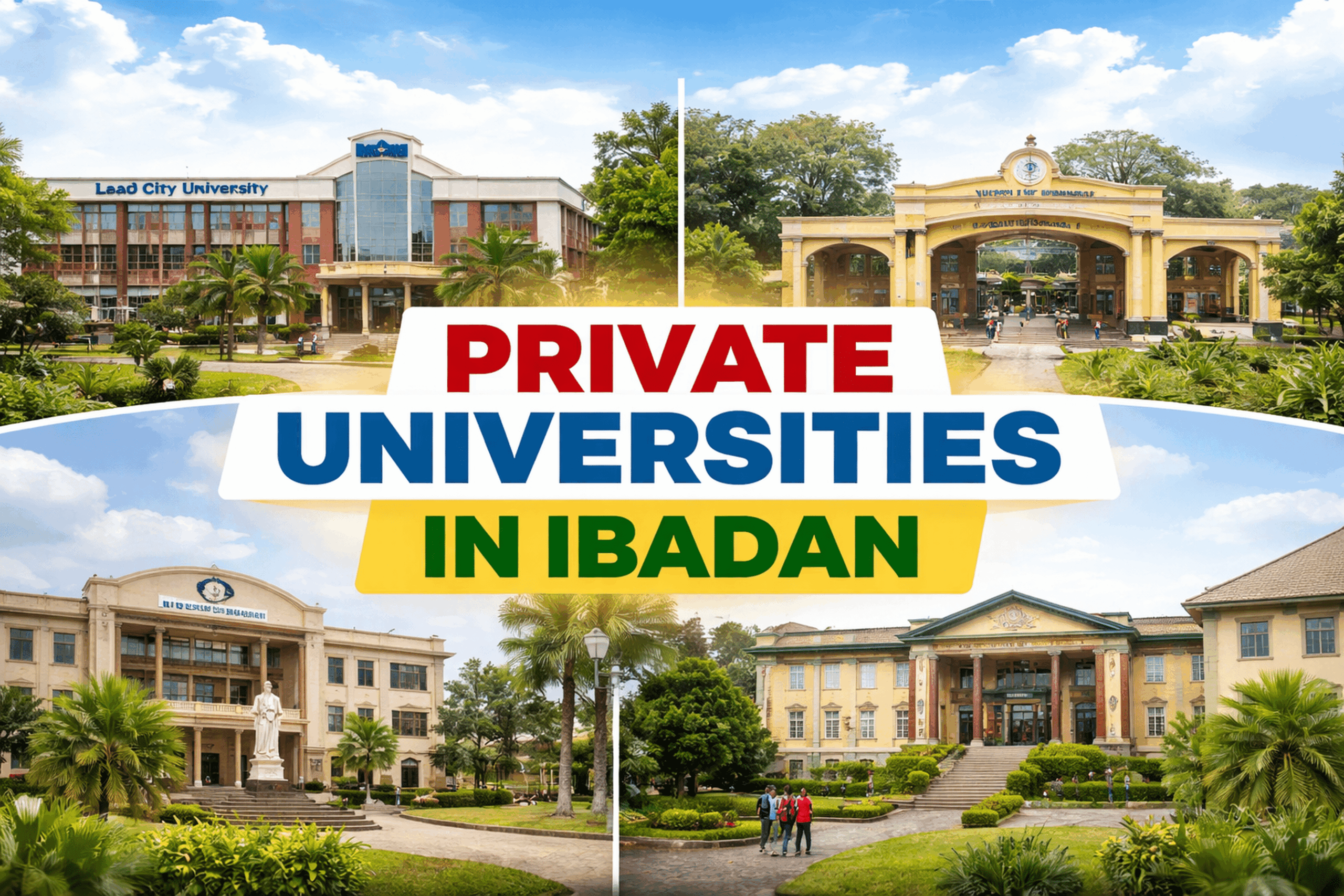
    Top 10 Private Universities in Ibadan (2026 -2027 Guide)

    Choosing a university is one of the biggest decisions a student or parent can make. In Nigeria, private universities have become increasingly popular because of their stable academic calendars, improved learning environments, and strong focus on discipline and quality education. Ibadan, the capital of Oyo State, is one of the country’s major education hubs and home to several reputable private universities.

    This guide compares private universities in Ibadan based on academic reputation, accreditation, facilities, student experience, and general public perception. All listed institutions are recognized by the National Universities Commission (NUC) at the time of writing.

    Why Choose a Private University in Ibadan?

    Ibadan has a long-standing reputation as a center of learning in Nigeria. Beyond its famous public institutions, the city offers private universities that combine academic excellence with a calm and affordable living environment.

    Here are some reasons many students prefer private universities in Ibadan:

    • Stable academic calendar with minimal strikes
    • Smaller class sizes and closer lecturer–student interaction
    • Better learning facilities and accommodation options
    • Strong moral, religious, or ethical foundations (depending on the institution)
    • Strategic location with lower cost of living compared to Lagos

    How These Universities Were Ranked

    There is no single official ranking system for private universities in Ibadan. Therefore, this list is based on a combination of the following factors:

    • NUC accreditation status
    • Academic programs and faculty strength
    • Quality of facilities and infrastructure
    • Graduate employability and alumni reputation
    • Student support services and campus life
    • Public perception and consistency over time

    The order should be seen as a general guide, not an absolute judgment.

    Top 10 Private Universities In Ibadan

    1. Lead City University (LCU), Ibadan

    Lead City University (LCU), Ibadan, is widely recognized as one of the most popular private universities in the city. Established in 2005, the institution has experienced steady growth in academic programs, infrastructure, and student enrollment. Over the years, LCU has positioned itself as a modern university that blends academic excellence with practical learning, attracting students from different parts of Nigeria and beyond.

    One of the key reasons Lead City University stands out is its wide range of accredited courses. The university offers programs in Law, Engineering, Computer Science, Mass Communication, Health Sciences, and several other disciplines. These programs are designed to meet national and global standards, ensuring that graduates are well-prepared for professional careers and further studies.

    In addition to academics, LCU places strong emphasis on entrepreneurship and skill development. The university is equipped with modern laboratories, media studios, and learning facilities that support hands-on training. With flexible admission options and multiple intakes each year, Lead City University remains a top choice for many prospective students seeking quality private education in Ibadan.

    2. Dominican University, Ibadan

    Dominican University, Ibadan, is a faith-based private university owned by the Order of Preachers, popularly known as the Dominican Friars. Although it is relatively young compared to some other private universities in the region, it has quickly built a reputation for academic seriousness and discipline. The institution is known for its calm atmosphere, which supports focused learning and intellectual growth.

    The university places strong emphasis on Arts, Social Sciences, and Natural Sciences. Its curriculum is well-structured and designed to promote critical thinking, research, and ethical reasoning. Students are encouraged to engage deeply with their studies, supported by qualified lecturers and a learning environment that values academic integrity.

    Beyond academics, Dominican University is committed to moral and ethical formation. The institution integrates values-based education into its academic programs, making it an ideal choice for students who prioritize discipline, character development, and a peaceful campus environment. This combination of academic rigor and moral grounding continues to earn the university respect within Nigeria’s private education sector.

    3. Precious Cornerstone University (PCU), Ibadan

    Precious Cornerstone University (PCU), Ibadan, is owned by the Garden of Victory International Church and was established with a vision of combining faith, innovation, and academic excellence. Since its inception, the university has focused on providing quality education within a value-driven framework. Its steady development has made it a recognizable name among private universities in Oyo State.

    PCU offers courses across Sciences, Social Sciences, Arts, and Management. These programs are designed to equip students with both theoretical knowledge and practical skills relevant to today’s workforce. The university also emphasizes leadership training and character development, preparing students not just for employment but for responsible roles in society.

    In terms of facilities, Precious Cornerstone University boasts a modern campus with improved learning spaces and student accommodation. As the institution continues to expand its academic offerings and infrastructure, its reputation among parents and students seeking faith-based private education continues to grow.

    4. Koladaisi University (KDU), Ibadan

    Koladaisi University (KDU), Ibadan, is one of the newer private universities in the city, yet it has made notable progress within a short period. Owned by the Koladaisi Group, a reputable business conglomerate, the university benefits from strong corporate backing and a clear vision for academic excellence.

    The university is particularly known for its focus on health sciences, nursing, and biomedical programs. These courses are supported by well-equipped laboratories and partnerships with teaching hospitals and healthcare institutions. This practical orientation gives students valuable exposure to real-world professional environments early in their training.

    KDU also maintains a professional learning atmosphere with an industry-oriented curriculum. Its programs are designed to meet modern healthcare and scientific demands, making it especially attractive to students interested in medical and health-related careers. As the university grows, it continues to strengthen its position within Ibadan’s private education landscape.

    5. Ajayi Crowther University (ACU), Oyo

    Ajayi Crowther University (ACU) is located in Oyo town but is often associated with Ibadan due to its proximity and influence. It is one of the most established private universities in the region and is owned by the Church of Nigeria (Anglican Communion). Over the years, ACU has built a strong academic reputation rooted in discipline and moral values.

    The university offers a wide range of programs, including Law, Engineering, Management, Humanities, and Sciences. Its long-standing academic structure ensures stability, while its alumni network reflects years of consistent academic output. Students benefit from a structured curriculum and experienced faculty members.

    ACU is also known for its strong moral and disciplinary framework. The institution emphasizes character building alongside academics, making it suitable for students seeking a balance between educational excellence and value-based living. This blend of tradition, discipline, and academic quality continues to make ACU a solid choice for many applicants.

    6. Kola Daisi University (Health-Focused Reputation)

    Kola Daisi University deserves special recognition for its strong emphasis on science-based education and healthcare-related programs. The university has carved a niche for itself by focusing on disciplines that require technical competence, ethical standards, and professional training.

    One of the notable features of the institution is its small class sizes, which allow for personalized learning and closer interaction between students and lecturers. The university also invests heavily in modern science equipment, ensuring that students gain practical experience alongside theoretical instruction.

    With experienced academic staff and a strong emphasis on professionalism and ethics, Kola Daisi University continues to attract students interested in science and healthcare careers. Its growing reputation reflects its commitment to quality education and specialized training.

    7. Abiola Ajimobi Technical University (Private-Affiliated Programs)

    Abiola Ajimobi Technical University, through some private-affiliated academic programs and partnerships, contributes to the educational landscape around Ibadan. While not entirely private in structure, these affiliations provide alternative pathways for students seeking a private-style learning experience with a technical focus.

    The programs associated with this institution emphasize technical and applied sciences. They are designed to equip students with practical skills that are directly relevant to industry needs. This approach helps bridge the gap between classroom theory and real-world application.

    Although it operates differently from fully private universities, its influence on private education choices in Ibadan is significant. Students interested in skill-based and technical education often consider these programs as viable options.

    8. Distance & Satellite Private Institutions in Ibadan

    Ibadan hosts several licensed private universities that operate distance learning centers or satellite study programs. These institutions provide opportunities for students who may not be able to attend full-time, on-campus programs due to work, location, or financial constraints.

    One major advantage of these satellite institutions is flexibility. Students can combine learning with other responsibilities while still accessing quality academic resources. Lower accommodation costs and proximity to Ibadan’s academic environment also make these programs appealing.

    However, prospective students are advised to verify the National Universities Commission (NUC) approval status of any satellite program. Proper accreditation ensures that degrees earned are recognized and valid for employment or further studies.

    9. Emerging Faith-Based Private Universities

    Ibadan continues to attract new private university licenses, particularly faith-based institutions. These emerging universities are often established by religious organizations with a mission to combine education and moral development.

    Typically, such institutions begin with smaller campuses and limited course offerings. This allows them to focus closely on student supervision and discipline while gradually expanding their academic programs over time.

    For students seeking strong moral guidance, close monitoring, and spiritual growth, these universities may be a suitable choice. As they mature, many of them aim to improve facilities, accreditation status, and academic diversity.

    10. Specialized Private Colleges with Degree Pathways

    In Ibadan, some specialized private colleges collaborate with recognized universities to offer degree pathway programs. These arrangements allow students to begin their studies locally before completing or validating their degrees through partner universities.

    While these programs can be beneficial, students must carefully confirm the degree-awarding institution. Accreditation status and official recognition are crucial factors to consider before enrolling in any pathway program.

    Understanding transfer requirements, duration, and completion processes is also essential. When properly verified, these specialized colleges can serve as alternative routes to earning recognized university degrees.

    Updated Overview of School Fees and Living Costs in Ibadan (2026–2027)

    Recent updates from the 2026–2027 academic period indicate that education costs in Ibadan have risen, particularly at the tertiary level. Despite these increases, the city is still considered more affordable than Lagos or Abuja, especially when housing, transportation, and daily living expenses are taken into account.

    Education Costs in Ibadan

    • University of Ibadan (UI): For the 2024/2025 academic session, newly admitted students at the University of Ibadan are expected to pay between ₦203,000 and ₦412,000, depending on their faculty. These fees typically include tuition, utility charges of about ₦20,000, and technology-related fees estimated at ₦20,000.
    • The Polytechnic, Ibadan: Indigene students enrolled in HND I programs pay approximately ₦176,500, while fees for non-indigenes vary by department. Hostel accommodation costs have also increased, with basic options now averaging around ₦15,000 per session.
    • Schools of Nursing: Nursing institutions in Ibadan, including the UCH School of Nursing, charge annual tuition fees ranging from ₦250,000 to ₦300,000. Hostel accommodation, where available, usually costs between ₦50,000 and ₦80,000 per year.
    • Private Primary and Secondary Schools: Private basic and secondary schools in Ibadan recorded significant fee adjustments in 2024, with many schools increasing charges by 50% to 70%, depending on facilities and location.
    • Acceptance Fees: The University of Ibadan requires newly admitted students to pay a one-time, non-refundable acceptance fee of ₦50,000.

    Cost of Living in Ibadan

    Ibadan remains one of Nigeria’s more affordable large cities, although inflation has increased the cost of daily living. Rent for a one-bedroom apartment in central areas is estimated at ₦500,000 to ₦800,000 per year, depending on location and housing quality.

    Transportation within the city is relatively inexpensive, with an average one-way local trip costing about ₦500. Monthly utility expenses—covering electricity, water, and basic household services, for a standard apartment are estimated at ₦30,000 to ₦50,000.

    Food and lifestyle expenses are generally moderate compared to other major Nigerian cities. Everyday meals and groceries are affordable, and items such as coffee or light refreshments typically cost between ₦1,500 and ₦2,000, depending on the outlet.

    Estimated Cost Breakdown at Private Universities In Ibadan (2026–2027)

    Expense Item Estimated Cost
    University of Ibadan Tuition (New Students) ₦203,000 – ₦412,000 per session
    Nursing School Fees ₦250,000 – ₦300,000 per year
    UI Acceptance Fee ₦50,000 (one-time)
    One-Bedroom Apartment (Mid-range) ₦500,000 – ₦800,000 per year
    Basic Monthly Utilities ₦30,000 – ₦50,000

    Note: All fees and living costs are subject to revision by institutions and may change due to economic conditions.

    Important Tips Before Choosing a Private University

    Before making your final decision, always:

    • Visit the campus if possible
    • Confirm NUC accreditation
    • Ask about total fees (including accommodation)
    • Review course curriculum and graduation requirements
    • Speak with current students or alumni

  • How Much is LASU School Fees? Complete Guide for 2026

    How Much is LASU School Fees? Complete Guide for 2026

    If you’re thinking about studying at Lagos State University (LASU), one of the first questions on your mind is probably: “How much will it cost?” Understanding LASU school fees is essential for planning your education, budgeting, and making informed decisions about your future. This article explain everything you need to know about LASU fees.

    Understanding LASU Fees

    Before looking at the numbers, it’s important to understand why LASU fees are structured the way they are. Like most universities in Nigeria, LASU bases its fees on factors such as residency status, level of study, and program of study. Indigenes students originally from Lagos State typically pay lower tuition, while non-indigenes from other states usually pay slightly higher fees. Freshers often incur additional costs for registration, orientation, and medical exams, whereas returning students pay tuition and other recurring fees.

    Fees can also vary depending on your faculty, with programs like Engineering or Medical Sciences generally costing more than Arts or Social Sciences. Beyond tuition, additional fees cover services such as ID cards, library access, exams, hostel accommodation, and other administrative costs. Understanding these details helps students avoid financial surprises and plan more effectively for their university education.

    LASU School Fees for Freshers

    LASU School Fees

    For students joining LASU for the first time, there are several types of fees. Here’s a breakdown:

    A. Acceptance Fee

    • Paid once upon admission confirmation.
    • Current rate (2026): ₦15,000 – ₦20,000 depending on your faculty.

    B. Tuition Fees

    • Indigenes: ₦45,000 – ₦60,000 per session
    • Non-indigenes: ₦55,000 – ₦75,000 per session
    • Tuition may vary slightly depending on your course and faculty.

    C. Other Mandatory Fees

    • Medical Examination Fee: ₦2,000 – ₦5,000
    • ID Card: ₦1,000 – ₦2,000
    • Library/ICT Fees: ₦3,000 – ₦5,000
    • Examination Fees: ₦2,000 – ₦4,000

    Tip: Keep receipts of all payments for verification during registration.

     LASU School Fees for Returning Students

    If you’re already enrolled, your fees will primarily include:

    • Tuition fees (same as freshers)
    • Examination fees (per semester)
    • Departmental/Faculty fees
    • Library and ICT fees

    Estimated Total for Returning Students per Session:

    Student Type Tuition Other Fees Total
    Indigene ₦50,000 ₦10,000 ₦60,000
    Non-Indigene ₦65,000 ₦12,000 ₦77,000

    Keep in mind that fees may change slightly every academic year depending on government policy and faculty adjustments.

    LASU Hostel/Accommodation Fees

    Many students prefer to live on campus. LASU hostels charge fees based on room type and location:

    • Single rooms: ₦50,000 – ₦80,000 per session
    • Double rooms: ₦30,000 – ₦50,000 per session
    • Shared rooms: ₦20,000 – ₦35,000 per session

    Other considerations:

    • Hostel fees usually do not include feeding.
    • Students may need to pay for electricity, water, and internet.

    Faculty-Specific Fee Variations

    LASU fees can vary by faculty. Here are some examples (approximate estimates for 2026):

    Faculty Tuition Fees (Indigene) Tuition Fees (Non-Indigene)
    Arts & Social Sciences ₦45,000 ₦55,000
    Education ₦50,000 ₦60,000
    Science ₦55,000 ₦65,000
    Law ₦60,000 ₦70,000
    Engineering & Medical Sciences ₦65,000 ₦75,000

    Always check with your faculty for updated fees before making payment.

    Payment Methods for LASU Fees

    LASU offers multiple payment methods to make the process easier:

    1. Bank Payment – Most students pay at designated banks using a payment invoice from the LASU portal.
    2. Online Payment – Some banks allow direct payment via internet banking or POS machines.
    3. Payment Plans – Certain faculties offer installment plans for tuition.

    Always verify payment receipts and keep them safe. LASU requires them for registration verification.

    Tips for Budgeting for LASU

    Studying at LASU can be affordable if you plan well. Here are some tips:

    1. Know your total costs – Include tuition, hostel, feeding, transportation, and personal expenses.
    2. Start saving early – For freshers, start saving months before admission.
    3. Check scholarship opportunities – LASU occasionally offers merit-based or need-based scholarships.
    4. Avoid unnecessary expenditures – Be realistic about extra costs for social activities.
    5. Use student discounts – For books, transportation, and technology services.
  • UNILAG School Fees for All Courses 2026: Complete Guide for New and Returning Students

    UNILAG School Fees for All Courses 2026: Complete Guide for New and Returning Students

    Choosing a university is a big decision, and one of the most important things every student or parent wants to know is how much school fees will cost. If you are planning to study at the University of Lagos (UNILAG) or you already have admission and are preparing for the 2026 academic session, understanding the school fees for all courses is essential.

    This guide explains everything you need to know about UNILAG school fees for 2026

    About the University of Lagos (UNILAG)

    The University of Lagos (UNILAG) is one of Nigeria’s most respected federal universities. Established in 1962, UNILAG is known for academic excellence, competitive admissions, and a wide range of courses across disciplines such as Arts and Humanities, Sciences, Engineering, Social Sciences, Management Sciences, Education, Law, and Medicine.

    Because UNILAG is a federal university, its school fees are generally lower than those of private universities, but they still vary depending on the course and level of study.

    What Does UNILAG School Fees Mean?

    Many people assume school fees mean only tuition, but at UNILAG, school fees are made up of several charges combined into one payment.

    UNILAG school fees usually include tuition (often subsidized in federal universities), registration fees, faculty and departmental charges, library fees, ICT and technology fees, medical services, examination fees, sports and student activities, and development or maintenance fees.

    Because of this structure, fees differ by course, faculty, and student status.

    UNILAG School Fees for All Courses 2026: What to Expect

    As of now, official UNILAG school fees for the 2026 academic session may not yet be formally released. However, based on previous academic sessions, students can expect that fees will vary by faculty and course, science-based and professional courses usually cost more, medical and engineering programs attract higher charges, and arts and education courses are generally lower.

    It is important to avoid unofficial figures circulating on social media and blogs. Always rely on official UNILAG announcements.

    EstimatedUNILAG School Fee Categories by Faculty (General Guide)

    Faculty Courses / Programs Included Estimated Fee Range (₦) Notes
    Arts & Humanities English, History, Philosophy, Linguistics, Creative Arts, Foreign Languages ₦90,000 – ₦120,000 Typically among the lowest UNILAG fees
    Education Education Biology, Education English, Education Mathematics, related programs ₦100,000 – ₦130,000 Slightly higher due to teaching practice and faculty charges
    Social Sciences Economics, Political Science, Sociology, Psychology, Geography, Mass Communication ₦120,000 – ₦150,000 Costs vary by department
    Management Sciences Accounting, Business Administration, Finance, Banking & Finance, Actuarial Science ₦130,000 – ₦160,000 Higher due to professional and departmental levies
    Science Biology, Chemistry, Physics, Mathematics, Computer Science, related courses ₦150,000 – ₦190,000 Laboratory and practical fees apply
    Engineering Civil, Electrical, Mechanical, Chemical, Petroleum, Systems Engineering ₦170,000 – ₦220,000 Among the highest due to workshops and equipment use
    Law Law ₦160,000 – ₦190,000 Fees may increase at higher levels
    College of Medicine & Health Sciences Medicine & Surgery, Nursing, Medical Laboratory Science, Pharmacology, related programs ₦190,000 – ₦250,000+ Highest fees due to clinical training and hospital exposure

    Difference Between Freshers and Returning Students 

    Category Freshers (New Students) Returning Students
    General Fee Level Higher in the first year Lower compared to first year
    Reason for Difference Includes several one-time charges Mostly standard annual charges
    Additional Fees Paid Acceptance fee, medical screening, ID card, orientation, matriculation-related costs Typically none of these one-time fees
    Payment Pattern Higher total payment in Year 1 Reduced and more stable fees in subsequent years
    Overall Impact More expensive initial entry into UNILAG More affordable after first year

    Acceptance Fee vs School Fees

    Category Acceptance Fee School Fees
    Purpose Confirms acceptance of UNILAG’s admission offer Covers academic and campus services
    Payment Frequency Paid once Paid every academic session
    When Paid Before school fees At the beginning of each session
    Refund Policy Usually non-refundable Generally non-refundable once paid
    Amount Stability Fixed for the admission year Can change from year to year
    Who Pays Freshers only All students (freshers and returning)

    How to Check Official UNILAG School Fees for 2026

    To avoid scams and misinformation, always rely on official sources. Steps to follow:

    1. Visit the official UNILAG website
    2. Log in to the admission or student portal
    3. Check official announcements or fee schedules
    4. Confirm faculty-specific breakdowns
    5. Download or print payment receipts

    Can UNILAG School Fees Change?

    Yes, UNILAG school fees can change due to government policy adjustments, inflation, facility upgrades, technological improvements, and academic restructuring. This is why students are advised to confirm fees every academic session, including 2026.

    Payment Methods for UNILAG School Fees

    UNILAG typically uses approved online payment portals and bank payment systems linked to student profiles. Students are advised to avoid cash payments outside official channels.


  • Babcock University School Fees: Complete Guide for Prospective Students and Parents (2026)

    Babcock University School Fees: Complete Guide for Prospective Students and Parents (2026)

    Choosing a university is one of the biggest decisions a student and their family will ever make. In Nigeria, Babcock University is often at the top of the list because of its strong academic reputation, disciplined environment, and faith-based values. However, one question almost everyone asks before applying is “How much are Babcock University school fees?”

    This guide explains Babcock University school fees, helping parents and students understand what they are paying for and how to plan properly.

    Overview of Babcock University

    Babcock University is a private Christian university located in Ilishan-Remo, Ogun State, Nigeria. The institution is owned and operated by the Seventh-day Adventist Church and is one of the leading private universities in the country.

    The university is well known for its strong academic standards, emphasis on moral discipline, and commitment to character development. In addition, Babcock University operates a stable academic calendar and maintains a fully residential campus system, which supports focused learning and community life among students.

    As a private institution, Babcock University does not receive funding from the government. This lack of public financial support directly influences its tuition structure, as the university relies primarily on student fees and internal resources to sustain its operations and facilities.

    How Babcock University School Fees Are Structured

    Babcock University operates a comprehensive fee system. This means most essential services are already included in the school fees. School fees typically cover:

    • Tuition
    • On-campus accommodation
    • Medical services
    • Internet access
    • Library usage
    • Security services
    • Utilities and campus maintenance

    Babcock University School Fees by Faculty

    School fees vary depending on the course of study. Below are estimated ranges to help with planning. Exact figures may change yearly and should always be confirmed through official channels.

    Faculty / School Courses Offered Estimated School Fees (Per Academic Year) Notes
    College of Health and Medical Sciences Medicine & Surgery, Nursing, Public Health ₦2.5 million – ₦4.5 million Higher fees due to lab work, clinical training, and specialized equipment
    School of Law and Security Studies Law, International Law & Diplomacy ₦1.8 million – ₦2.5 million Professional training standards and specialized academic resources
    School of Computing and Engineering Sciences Computer Science, Information Technology, Software Engineering ₦1.2 million – ₦2 million Includes software licenses and laboratory usage
    School of Management Sciences Accounting, Business Administration, Finance, Marketing ₦900,000 – ₦1.5 million Popular programs and relatively more affordable
    School of Education and Humanities English Studies, History, Religious Studies, Education-related programs ₦600,000 – ₦1.2 million Lower operational costs

    Additional Fees to Expect

    Apart from tuition, students may be required to pay:

    • Acceptance fee (paid once after admission)
    • Medical screening fee
    • Registration and identity card fees

    These charges are usually clearly stated in the admission offer.

    Accommodation and Campus Living

    Babcock University runs a fully residential system. Accommodation fees typically cover:

    • Hostel room
    • Electricity and water
    • Security services
    • Basic maintenance

    Living on campus promotes safety, discipline, and easy access to academic facilities.

    Payment Options

    Babcock University may allow structured payment options depending on the academic session.

    Parents and students are advised to:

    • Follow official payment schedules
    • Pay on time to avoid penalties
    • Keep all payment records

    Why Babcock University Fees Are Higher Than Public Universities

    Key reasons include:

    1. No government funding
    2. Modern academic facilities
    3. Stable academic calendar
    4. On-campus accommodation
    5. Comprehensive student services

    Is Babcock University Worth the Cost?

    Babcock University may be considered a worthwhile investment for families who place a high value on predictable graduation timelines and a well-structured learning environment. The institution’s stable academic calendar helps students complete their programs without frequent disruptions.

    The university is also known for its strong emphasis on moral values, academic discipline, and character development. These qualities appeal to parents and students who prioritize ethical conduct alongside academic achievement.

    Ultimately, the decision depends on each family’s personal priorities and financial capacity. Factors such as campus safety, educational goals, and available resources should be carefully considered before making a commitment.

    Planning Tips for Parents and Students

    • Start budgeting early
    • Verify fees from official university sources
    • Ask about payment flexibility
    • Budget for personal expenses
  • NAGAS Group Undergraduate Scholarship: Complete Guide for Nigerian Students (2026)

    NAGAS Group Undergraduate Scholarship: Complete Guide for Nigerian Students (2026)

    Education is one of the most powerful tools for personal growth, but for many Nigerian students, funding remains a major challenge. Tuition fees, textbooks, accommodation, and daily expenses can quickly become overwhelming. This is where scholarships like the NAGAS Group Undergraduate Scholarship come in.

    This article is a guide to the NAGAS Group Undergraduate Scholarship. It explains what the scholarship is, who can apply, how to apply, how winners are selected, and how to check if you have been shortlisted.

    What Is the NAGAS Group Undergraduate Scholarship?

    The NAGAS Group Undergraduate Scholarship is a financial support program created to assist undergraduate students studying in Nigerian universities. The scholarship is designed to reduce the financial burden on students and help them focus more on their studies.

    Each year, the program provides a ₦50,000 financial award to selected students. While the amount may not cover all school expenses, it can make a meaningful difference by supporting tuition payments, textbooks, or other academic needs.

    Unlike many scholarships that are limited to specific courses or states, the NAGAS Group Undergraduate Scholarship is open to students across different disciplines and institutions, as long as they meet the eligibility requirements.

    Why the NAGAS Scholarship Matters

    Many Nigerian undergraduates struggle to balance academics with financial pressure. Some students take on excessive part‑time work, while others risk dropping out due to unpaid fees. The NAGAS scholarship helps by:

    • Supporting students financially
    • Encouraging academic focus
    • Promoting equal access to education
    • Recognizing hardworking and committed undergraduates

    Scholarships like this also show how private organizations can contribute positively to education development in Nigeria.

    Who Can Apply for the NAGAS Group Undergraduate Scholarship?

    The eligibility requirements are straightforward and student‑friendly. You can apply if you meet all of the following conditions:

    1. You Must Be an Undergraduate Student

    You must be a full‑time undergraduate student in a recognized Nigerian university. The scholarship is not meant for postgraduate students, diploma holders, or secondary school students.

    2. You Must Be Enrolled in an Accredited Institution

    Only students studying in accredited Nigerian universities are eligible. This ensures that the scholarship supports legitimate academic programs.

    3. You Must Have Valid Student Identification

    Applicants are expected to have:

    • A valid student ID card
    • A student registration or matriculation number

    These are used to verify your student status during the screening process.

    4. You Must Provide Correct Information

    All personal and academic information provided during application must be accurate. False details can lead to disqualification, even after being shortlisted.

    Documents Required for the NAGAS Scholarship

    Applicants who pass the initial stages will be required to upload certain documents for verification. These usually include:

    • A clear copy or photo of your student ID card
    • Your official admission letter
    • A recent school fees payment receipt

    These documents help confirm that you are a genuine student and actively enrolled in your institution.

    How to Apply for the NAGAS Group Undergraduate Scholarship

    The application process is fully online and involves several steps. Below is a simple breakdown.

    Step 1: Online Registration

    Applicants begin by creating an account on the official scholarship portal. During registration, you will be asked to provide:

    • Full name
    • Email address
    • Phone number
    • Name of university
    • Course of study
    • Level of study
    • Student ID or matriculation number

    Make sure all details are entered correctly.

    Step 2: Take the Online Quiz

    After successful registration, applicants are required to take an online quiz. The quiz typically includes questions from:

    • English language
    • Mathematics
    • General knowledge

    To move to the next stage, you must score at least 70 percent in the quiz.

    Step 3: Upload Required Documents

    Applicants who meet the quiz requirement are invited to upload their documents for verification. This stage is crucial, as incomplete or unclear documents can lead to disqualification.

    Step 4: Final Review and Selection

    The scholarship team reviews applications, quiz scores, and uploaded documents. Successful candidates are then shortlisted and announced.

    How Are Winners Selected?

    Selection for the NAGAS Group Undergraduate Scholarship is based on merit and verification, not favoritism. The process usually includes:

    1. Screening of application details
    2. Evaluation of quiz performance
    3. Verification of submitted documents
    4. Final approval of successful candidates

    Only applicants who meet all criteria and provide genuine information are selected.

    How to Check If You Are Shortlisted

    After the selection process, shortlisted candidates are published online. To check your status:

    1. Visit the official scholarship shortlist page
    2. Select your institution from the provided list
    3. Submit and check if your name appears

    Some applicants may also see their status updated on their scholarship dashboard.

    It is important to check carefully and follow any instructions provided after shortlisting.

    Payment and Bank Account Information

    Successful candidates are usually required to submit valid bank account details for payment. Students are advised to:

    • Use a traditional commercial bank account where possible
    • Ensure that the account name matches the scholarship application name
    • Double‑check account numbers before submission

    Incorrect banking details can delay or prevent payment.

    Common Mistakes to Avoid

    Many applicants lose opportunities due to avoidable errors. Common mistakes include:

    • Providing incorrect personal information
    • Uploading unclear or fake documents
    • Using mismatched names across documents
    • Ignoring application deadlines

    Carefully reviewing your application before submission can greatly improve your chances.

    Tips to Increase Your Chances of Success

    While the scholarship is competitive, these tips can help:

    • Prepare ahead for the quiz
    • Ensure documents are clear and readable
    • Apply early, not on the deadline day
    • Regularly check official updates

    Frequently Asked Questions (FAQs)

    1. Is the NAGAS Scholarship Free to Apply For?

    Yes, the NAGAS Scholarship is completely free to apply for. Applicants are not required to pay any application, processing, or registration fees at any stage of the selection process. Prospective candidates are strongly advised to be cautious and avoid individuals or organizations that request payment in exchange for assistance or guaranteed selection, as such requests are not authorized and may be fraudulent.

    2. Can Students From Any Course Apply?

    Yes, students from all academic disciplines are eligible to apply for the NAGAS Scholarship. The program does not restrict applications based on course of study, ensuring equal opportunities for students in sciences, arts, social sciences, engineering, and other fields. Selection is based on the scholarship’s stated criteria rather than the applicant’s academic specialization.

    3. Is the Scholarship Renewable?

    The NAGAS Scholarship is typically awarded as a one-time financial support and is not renewable. Beneficiaries should therefore not expect automatic continuation of the award in subsequent academic sessions. Recipients are encouraged to plan accordingly and explore other funding opportunities to support their education beyond the year of the award.

    Can Polytechnic or College of Education Students Apply?

    The NAGAS Scholarship is primarily designed for undergraduate students enrolled in recognized universities. As a result, students from polytechnics or colleges of education are generally not eligible to apply. Applicants are advised to carefully review the eligibility requirements to ensure they meet the institution-specific criteria before submitting an application.

  • The Ultimate Guide to Borno State Scholarship: How to Apply, Eligibility, and Tips to Succeed

    The Ultimate Guide to Borno State Scholarship: How to Apply, Eligibility, and Tips to Succeed

    Education is the backbone of progress, but financial challenges often prevent deserving students from achieving their dreams. If you are a Borno State indigene aiming to pursue higher education, the Borno State Scholarship offers a golden opportunity to ease your financial burden.

    This comprehensive guide explains everything you need to know about applying, eligibility requirements, and expert tips to ensure your application stands out.

    What is Borno State Scholarship?

    The Borno State Scholarship is a government initiative managed by the Borno State Scholarship Board (BSSB). Its purpose is to provide financial assistance to students who are indigenes of Borno State and are enrolled in accredited Nigerian tertiary institutions, including universities, polytechnics, and colleges of education. The scholarship covers:

    • Tuition fees
    • Accommodation support
    • Study materials (in some cases)

    The program is designed to support both undergraduate and postgraduate students, including some special awards like STEM scholarships for female students and vocational or pilot training scholarships.

    Why the Scholarship Matters

    Many talented students miss out on quality education because they cannot afford it. The Borno State Scholarship helps reduce financial stress for students and their families, encourages academic excellence, and creates opportunities for career advancement and further studies.

    It also supports gender equality and inclusion through specialized scholarships. Beyond financial aid, the scholarship boosts students’ confidence and motivation, empowering them to achieve their academic goals and reach their full potential.

    Eligibility Criteria

    Before applying, ensure you meet the scholarship’s eligibility requirements. The table below summarizes the key criteria:

    Eligibility Requirement Details
    Borno State Indigene Must provide proof of indigene status
    Current Student Must be enrolled in a recognized Nigerian tertiary institution
    University 100 Level or Direct Entry 200 Level
    Polytechnic ND I or HND I
    College of Education NCE I
    Fully Registered Enrollment for the current academic session should be verified
    Special Awards Certain scholarships may require additional conditions, like minimum UTME scores for STEM programs or being a female student in a specific field

    Required Documents

    Your application will only be considered complete if you provide accurate and valid documents:

    • Passport photograph (red background)
    • School admission letter
    • Registration receipt for the current session
    • Certificate of Origin proving Borno State indigene status
    • First School Leaving Certificate (FSLC)
    • Academic transcripts or statement of results
    • JAMB admission letter (if applicable)

    How to Apply: Step-by-Step Guide

    Applying for the Borno State Scholarship is done entirely online through the official portal: https://bssb.bo.gov.ng

    Step 1: Create an Account

    Register with your personal information, including:

    • Full name
    • Email
    • Phone number
    • National Identification Number (NIN)
    • Bank Verification Number (BVN)
    • Date of birth
    • Local Government Area of origin

    Step 2: Verify Email

    Confirm your email address through the verification link sent to your inbox.

    Step 3: Complete Your Profile

    Fill out your profile details and upload a passport photograph.

    Step 4: Select Scholarship Type

    Choose the scholarship(s) you are eligible for.

    Step 5: Upload Required Documents

    Ensure that every document is correctly scanned or photographed.

    Step 6: Submit and Pay Fees (if applicable)

    Complete the application by submitting it online. Some scholarships may require a small application fee.

    Step 7: Confirmation

    Save or print your submission confirmation for your records.

    Types of Borno State Scholarships

    Undergraduate Scholarship

    For first-year students at Nigerian tertiary institutions, covering tuition and other fees.

    Postgraduate Scholarship

    For Borno indigenes pursuing Master’s or PhD programs

    Deadlines You Should Know

    • Undergraduate applications typically open around July and close by mid-August.
    • Postgraduate scholarships may have earlier deadlines, often around February.
    • Always check the official portal for the current year’s dates to avoid missing out.

    Tips to Maximize Your Chances

    • Submit all documents in clear, readable format.
    • Fill your profile completely before submission.
    • Apply before the deadline and save the confirmation receipt.
    • Double-check eligibility criteria for specialized scholarships.
    • Regularly log in to track application status.

    Common Mistakes to Avoid

    • Submitting incomplete or illegible documents
    • Missing deadlines
    • Not providing accurate personal information
    • Applying for scholarships you are not eligible for

    Frequently Asked Questions (FAQs)

    1. Can I apply if I am in my second year?

    Generally, the scholarship is designed to support first-year students who are beginning their tertiary education. However, some programs may have provisions that allow continuing students, such as those in their second year, to apply. It is recommended to carefully review the specific eligibility criteria of each scholarship program to confirm whether continuing students are eligible.

    2. Is there an age limit?

    Most scholarships do not enforce a strict age limit, making them accessible to a wide range of applicants. That said, certain special scholarships or awards may have specific age requirements to target particular groups, such as younger students or mature learners. Applicants should check the guidelines of each scholarship to ensure they meet any age-related conditions.

    3. How will I know if I have been selected?

    Notifications about scholarship selection are typically communicated through the official application portal or via the email address provided during registration. Applicants are encouraged to regularly check both the portal and their email for updates, as selection results and further instructions are usually shared through these channels.

    4. Can international students apply?

    No, this scholarship is strictly reserved for Borno State indigenes who are enrolled in Nigerian institutions. International students or applicants from other states are not eligible. This focus ensures that the scholarship benefits local students and supports education within the state.

  • Jigawa State Scholarship Board (JSSB): Full Guide on How to Apply, Requirements, and Everything You Need to Know

    Jigawa State Scholarship Board (JSSB): Full Guide on How to Apply, Requirements, and Everything You Need to Know

    Education is one of the strongest tools for changing lives, and the Jigawa State Government understands this clearly. Through the Jigawa State Scholarship Board (JSSB), thousands of students from Jigawa State have received financial support to continue their education in Nigeria and abroad.

    If you are a student, parent, or guardian searching for information about the Jigawa State Scholarship, this guide is written for you. In this article, you will learn what the scholarship is, who is eligible, how to apply step by step, documents required, common mistakes to avoid, and frequently asked questions.

    What Is the Jigawa State Scholarship Board (JSSB)?

    The Jigawa State Scholarship Board (JSSB) is a government agency under the Jigawa State Ministry of Higher Education, Science and Technology (MOHEST). It was established to provide financial assistance to indigenes of Jigawa State who are studying in recognized tertiary institutions.

    The board manages different forms of educational support, including:

    • Undergraduate scholarships
    • Postgraduate scholarships
    • Special local and foreign scholarships
    • Educational grants and bursaries

    The main goal of the board is to reduce financial hardship and ensure that capable students do not abandon their education because of lack of funds.

    Why the Jigawa State Scholarship Is Important

    Many families struggle to pay tuition fees, accommodation, and study materials. The Jigawa State Scholarship helps by:

    • Supporting students from low-income backgrounds
    • Encouraging academic excellence
    • Increasing access to higher education
    • Producing skilled graduates who contribute to the state’s development

    For many beneficiaries, the scholarship has been the difference between dropping out and graduating successfully.

    Official Platforms for the Jigawa State Scholarship

    To avoid scams and misinformation, applicants should rely only on official and trusted platforms:

    Jigawa State Scholarship Application Portal

    The official online application portal is hosted on Safapply. This is where applicants register, upload documents, submit applications, and track their status.

    Ministry of Higher Education (MOHEST) Website

    The MOHEST website provides government-verified information about agencies under the ministry, including the State Scholarship Board.

    Trusted Education News Sources

    Some reputable Nigerian education websites publish simplified guides based on official announcements.

    Who Is Eligible for the Jigawa State Scholarship?

    While requirements may slightly change from year to year, the general eligibility criteria include:

    Jigawa State Indigene

    Applicants must be indigenes of Jigawa State and provide a valid certificate of origin.

    Admission into a Recognized Institution

    Applicants must have gained admission into a recognized university, polytechnic, or college of education.

    Full-Time Student Status

    The scholarship is designed mainly for full-time students.

    Academic Qualification

    Applicants must meet minimum academic requirements such as WAEC, NECO, NABTEB, or transcript results.

    Types of Jigawa State Scholarships Available

    Undergraduate Scholarship

    For students pursuing diploma or degree programs.

    Postgraduate Scholarship

    For PGD, Master’s, and PhD students.

    Foreign Scholarship (When Available)

    For selected courses of study outside Nigeria.

    Bursary and Special Grants

    Support for students who may not qualify under merit-based categories.

    Documents Required for Application

    Applicants should prepare the following documents:

    • Certificate of origin
    • Admission letter
    • School ID card (if available)
    • WAEC/NECO/NABTEB result
    • Academic transcript or statement of result
    • Birth certificate or age declaration
    • Passport photograph
    • Valid means of identification

    Step-by-Step Guide on How to Apply

    1. Visit the official scholarship application portal
    2. Create an account with valid contact details
    3. Log in to your dashboard
    4. Fill in personal and academic information
    5. Upload all required documents
    6. Review your application carefully
    7. Submit and save your reference number

    What Happens After Submission?

    After submission, all applications are carefully reviewed by the Jigawa State Scholarship Board. Shortlisted candidates may be invited for physical or online verification to confirm the information provided. Successful applicants are then notified through their registered email addresses or phone numbers via SMS, after which payments or other forms of support are processed strictly in line with official government guidelines.


    Common Mistakes to Avoid

    • Uploading unclear documents
    • Providing false information
    • Submitting multiple applications
    • Missing deadlines
    • Ignoring official announcements

    How to Track Your Application Status

    Applicants can track the status of their scholarship application by logging into the official portal and regularly monitoring any updates or communications sent through official channels.

    Frequently Asked Questions (FAQs)

    1. Is the Jigawa State Scholarship Free?

    Yes, the application process for the Jigawa State Scholarship is completely free, and applicants are not required to pay any fees to apply.

    2. Can New Students Apply?

    Yes, newly admitted students are eligible to apply for the scholarship once the official application portal is open.

    3. Is the Scholarship Automatic Every Year?

    No, the scholarship is not automatically renewed each year. Continuation or renewal depends on the policies set by the Jigawa State Scholarship Board.

    4. Can I Apply If I Study Outside Jigawa State?

    Yes, you can apply even if your institution is outside Jigawa State, provided you are a verified indigene and the institution is officially approved by the scholarship board.